
Introduction
Many pool owners dream of heating their pool “for free” using their home solar panels. Unfortunately, the reality doesn’t always live up to the marketing promise. While solar panels can help reduce your electricity bills, relying on them to heat a pool is rarely as effective as many believe. Let’s break down why—and what you actually need to reach your pool heating goals.
Common Solar Panel Setups in Australian Homes
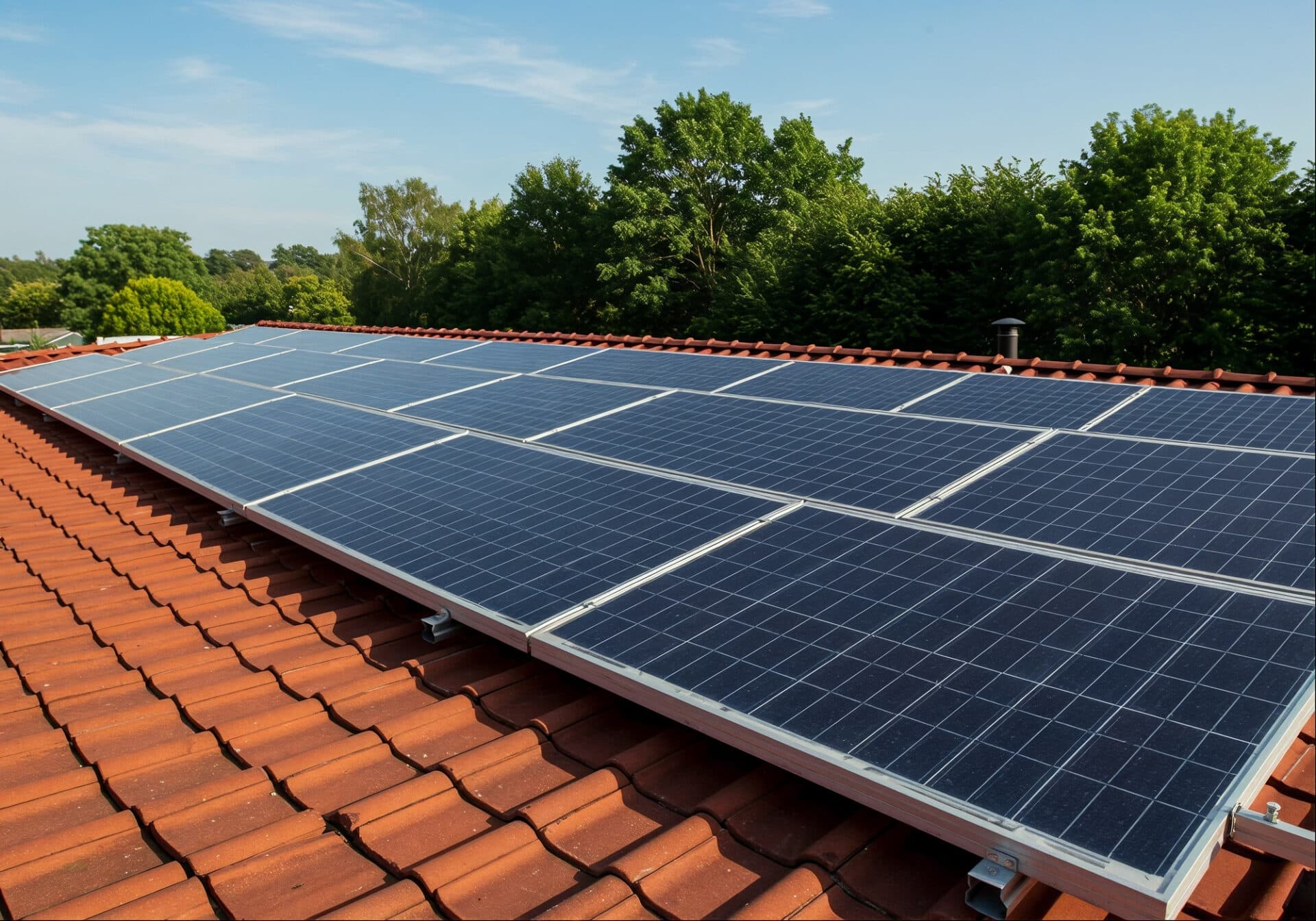
Most homes today have solar PV systems sized between 6–10 kW, with 6.6 kW being one of the most common entry-level installations. These systems are typically designed to offset household energy use, not to power high-demand appliances like a pool heater.
Even at maximum output, most solar systems can only produce their rated capacity for a few hours a day, under ideal conditions. In winter, when pool heating is needed most, solar generation can drop by 50% or more compared to summer.
Solar PV vs. Solar Roof Tubing: What’s the Difference?
When people talk about “solar pool heating,” they often mean two very different things. Solar PV panels are the ones most homeowners already have on their roof to generate electricity. These panels can help reduce your power bills and, in theory, can run a pool heat pump.
On the other hand, solar thermal roof tubing systems (often called solar pool heating panels) work by circulating pool water through black rubber or plastic tubes laid across the roof. The water warms up as it passes through, then returns to the pool. This method can be effective in the warmer months when the sun is strong and air temperatures are high, but it becomes far less useful in cloudy or cooler conditions.
The key difference is that solar thermal can only take the edge off in summer, while solar PV can offset some of the running costs of a heat pump. Neither option on its own, though, will keep your pool warm in the colder months — which is why a properly sized electric heat pump is the reliable choice if you want consistent comfort.
How Pool Heat Pumps Draw From Solar
Home solar systems feed all appliances first. If solar generation exceeds household demand, the extra power can flow into batteries or export to the grid. In practice, this means your pool heater only gets to use whatever surplus is left over after your home’s other needs are met.
This means your pool heater is effectively running on the leftovers. On many days—especially cloudy ones, or in the cooler months—there may be little to no surplus power available to keep your pool at the temperature you want.
The Limits of Solar Panels for Pool Heating
Low Efficiency in Winter
When solar generation is at its lowest, heating demand is at its highest. Relying on solar alone usually means you won’t have the energy needed to keep water at a comfortable swimming temperature.
Output vs. Demand
Pool heat pumps often require continuous power to operate effectively. A solar system producing just a couple of spare kilowatts, for only part of the day, isn’t enough to achieve or maintain swimming-ready temperatures on its own.
What a “PV Ready” Heat Pump Does
Some modern heat pumps, are marketed as PV Ready, meaning they can connect directly to your solar power system or inverter. This setup will allow the heater to utilise the final solar power that would otherwise be sent back to the grid.
For example, the Nova V2 heat pump has a voltage free contact that waits for an external signal of contact closure. So, if the heat pump is in heating mode and has a set point temperature of 28°. When it receives the signal it will go into powerful mode to try and get to 28° as fast as possible.
To work out how much this will impact your bills, you’ll need to calculate how much solar you are generating at a point in time (a few good hours per day, and not much at all in colder months), plus how much of this will be left over after the household needs are met.
Why Electric Heat Pumps Are Essential
The key to reliable pool heating is an electric heat pump. Unlike solar thermal panels or solar PV alone, heat pumps are designed to deliver consistent, efficient heating in almost all conditions.
- Efficient Technology: Heat pumps don’t create heat directly—they draw warmth from the surrounding air and transfer it into your pool water. This means they can provide 3–5 times more heat energy than the electricity they consume.
- Year-Round Performance: Even in winter or on cloudy days, a properly sized heat pump can achieve and maintain your desired pool temperature.
- Flexible Integration: If you have solar panels, a heat pump will naturally use whatever generation is available at the time, with the grid making up the rest.
For example, our popular VortexProPlus Inverter Heat Pump is designed to deliver efficient, reliable heating all year round. When paired with solar, it can take advantage of excess power to reduce running costs, but it doesn’t rely on solar to keep your pool warm.
In short: solar panels can help reduce operating costs, but only a heat pump ensures you actually reach your heating goals.
The Good News: Solar Helps in Summer
While solar struggles in winter, it can be useful in the warmer months:
- Higher Solar Output: A 6.6 kW system may generate 30–35 kWh/day in summer—leaving a healthier surplus after household use.
- Lower Heating Demand: Pools naturally sit warmer, so a heat pump may only need 8–12 kWh/day to maintain swim-ready water.
Result: In summer, solar may cover most—or even all—of your pool heating needs on a sunny day.
The Catch: This benefit comes at the time when you need it least. In spring, autumn, and winter—when pool heating matters most—solar generation drops while heating demand rises.
Recommendations for Pool Owners
- Install an electric heat pump sized correctly for your pool. This is the only way to guarantee comfortable swimming temperatures throughout the year.
- Use solar as a cost-offsetting tool—not your primary heating source. It’s great for reducing operating costs when conditions are right.
- Always use a pool cover to retain heat and minimise the workload on your system.
- Set realistic expectations: solar can help, but it won’t deliver “free” pool heating.
Conclusion
Solar panels are fantastic for lowering household electricity bills, but when it comes to heating a pool, they’re not a standalone solution. To reliably enjoy warm water, you need an electric pool heat pump—with solar acting as a helpful partner, not the hero of the story. By understanding the limits of solar and the role of a heat pump, you can plan your pool heating system with confidence and avoid disappointment.